
When the process is broken, every team that depends on it absorbs the cost.
Your administrative workflows are the connective tissue of your institution. When they rely on workarounds, manual steps, and data no one officially owns, the friction compounds - and the institution operates below its own capacity.
The problem
Administrative teams are not slow because they lack effort. They are slow because the processes they inherited were never designed to scale.
Documents processed manually with persistent error rates. Budget reports that take weeks to produce. Institutional data scattered across spreadsheets nobody officially owns but everyone depends on. Systems that were implemented but never adopted as designed.
The workarounds built to compensate have quietly become the system. This academy replaces them with processes that are designed, governed, and built to last.
Who Enrolls
The professionals responsible for keeping institutional operations accurate, compliant, and moving.
Administrative Professionals
General administration, documentation, process coordination across departments.
Records Managers
Document management, filing systems, version control, and information governance.
Operations Coordinators
Cross-departmental workflow management, process monitoring, and reporting.
Data Management Staff
Database maintenance, data quality management, and reporting systems.
Compliance Staff
Audit preparation, regulatory documentation, and risk management.
What your team builds
Participants don't study process theory. They surface a real problem from their own institution and build the solution.
The institution doesn't receive a report. It receives redesigned processes with a governed data architecture and a single source of truth, demonstrated live at Demo Day and ready to implement the following week.
Example of deliverables
Workflow map and friction audit
A precise inventory of where manual effort, duplicate data, and shadow workarounds are concentrated in your institution
Redesigned processes
Three critical workflows rebuilt around a governed data architecture, tested in the Sandbox with real institutional data.
Institutional proposal
Old and new workflows demonstrated side by side to institutional leadership - not described, shown.
Future Education Sandbox
Where the work actually happens.
The Sandbox is Future Education's proprietary learning environment. It is where every cohort works - not a platform you buy, but the structured environment we bring to every program we run.
Think of it as the campus. The Academies are the programs. The Sandbox is where participants do the real work, supported by a facilitator and an AI mediator that helps them think - not one that thinks for them.
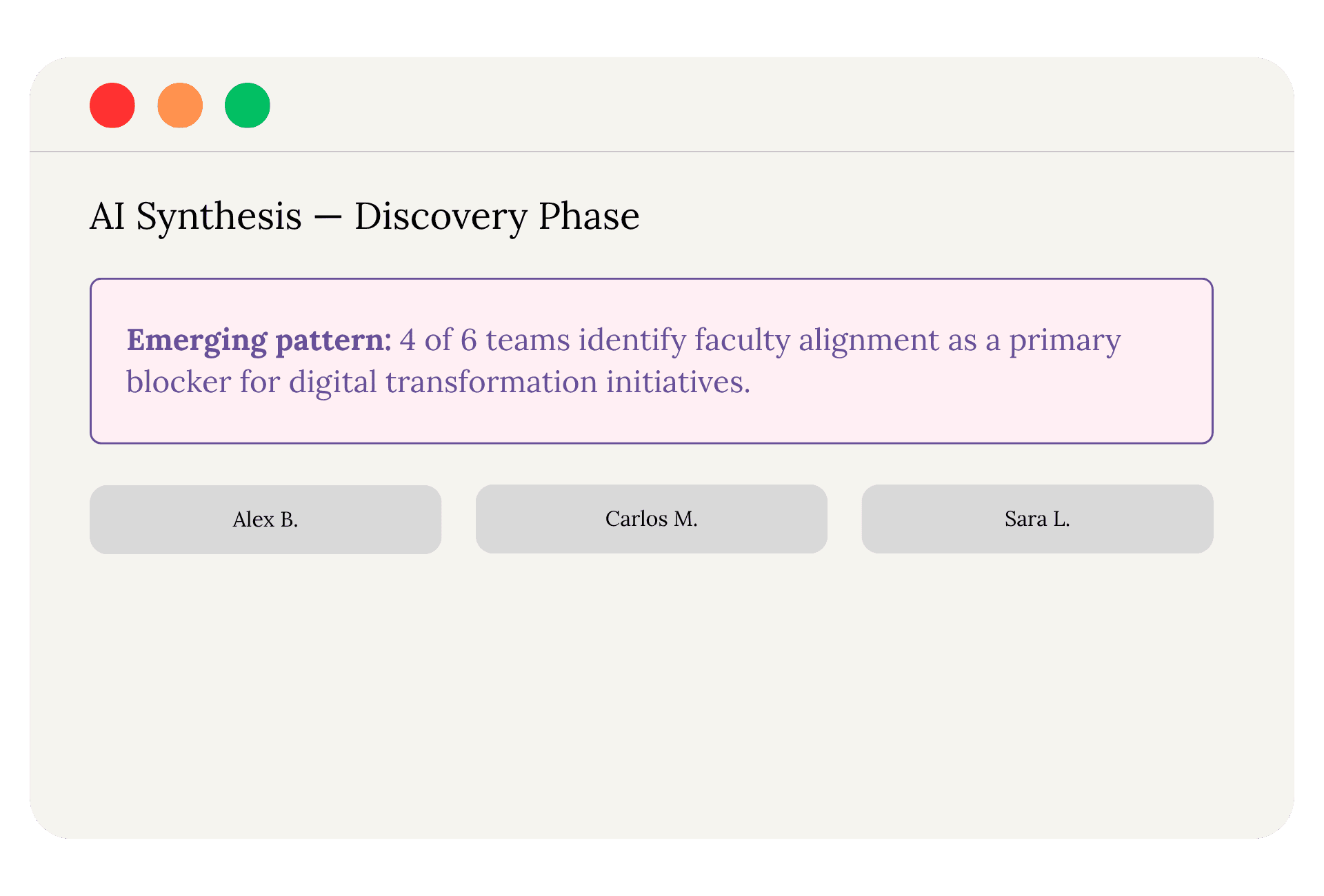
The Sandbox AI mediator never produces content for participants. Its role is to surface questions, challenge assumptions, and return the work to its institutional context.
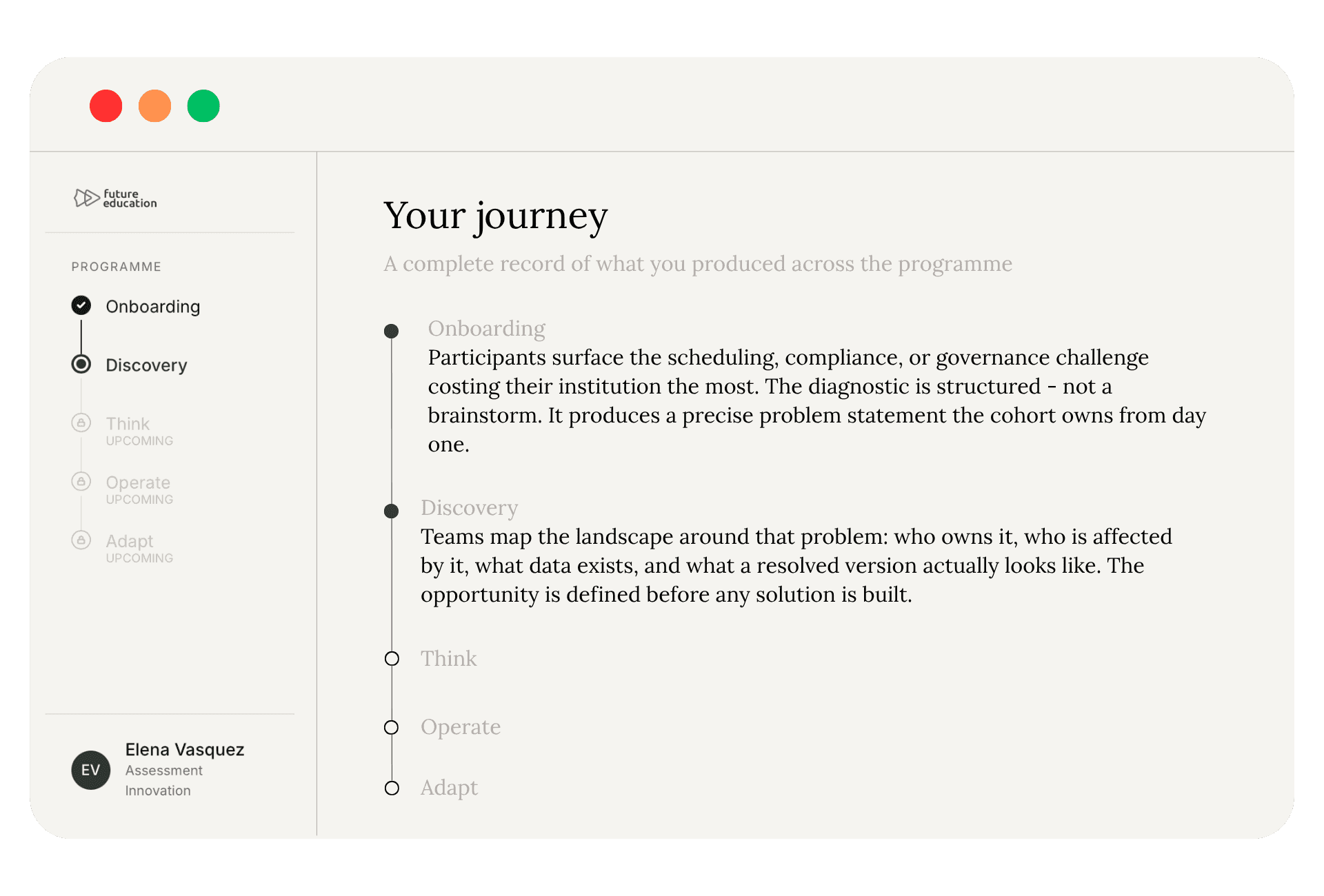
We offer two delivery formats: fully remote or a hybrid blend of online and in-person sessions.
Inside every program
Real work.
Expert guidance.
Full visibility.
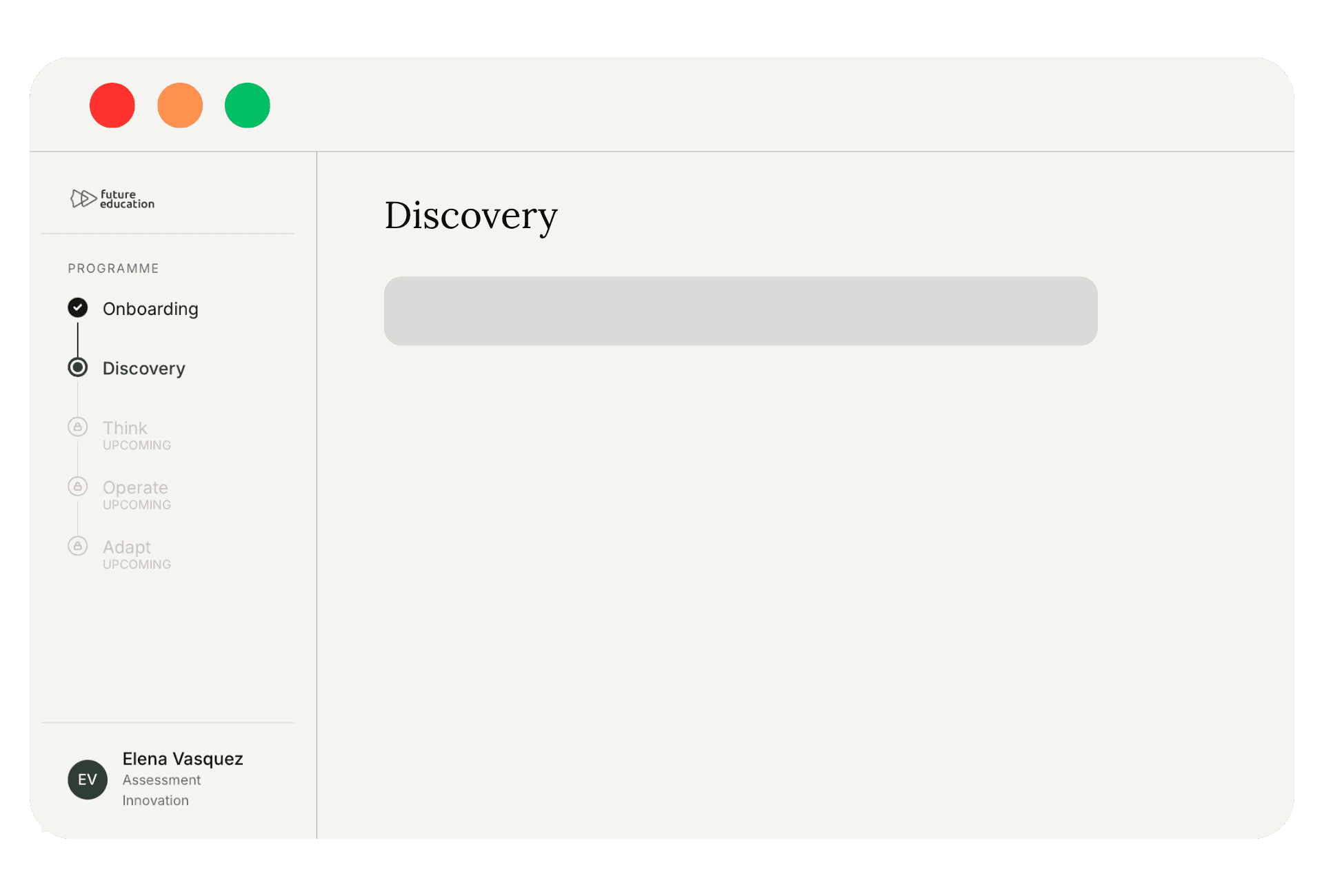
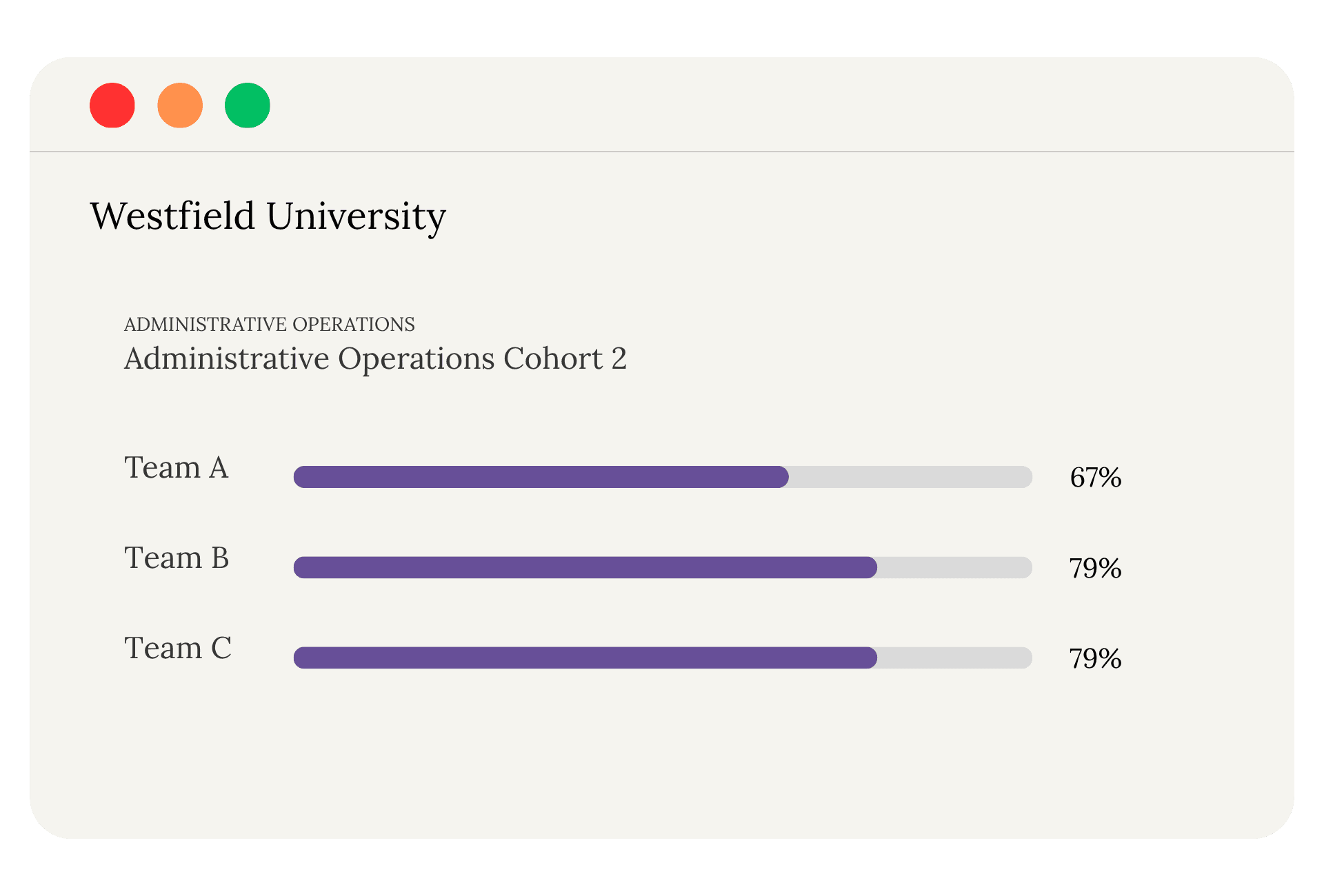
Future Education programs are not self-paced learning. Each cohort has a dedicated facilitator, a structured progression, and clear visibility for institutional leadership throughout. Every role has a defined function - and the work only moves when each one is doing theirs.
Why Future Education
Every program delivered across the academies carries the competencies as its quality standard. It is not a module. It is a permanent mindset architecture woven into how professionals learn, practice, and operate. Staff leave not just with new skills, but with a new way of seeing their work.
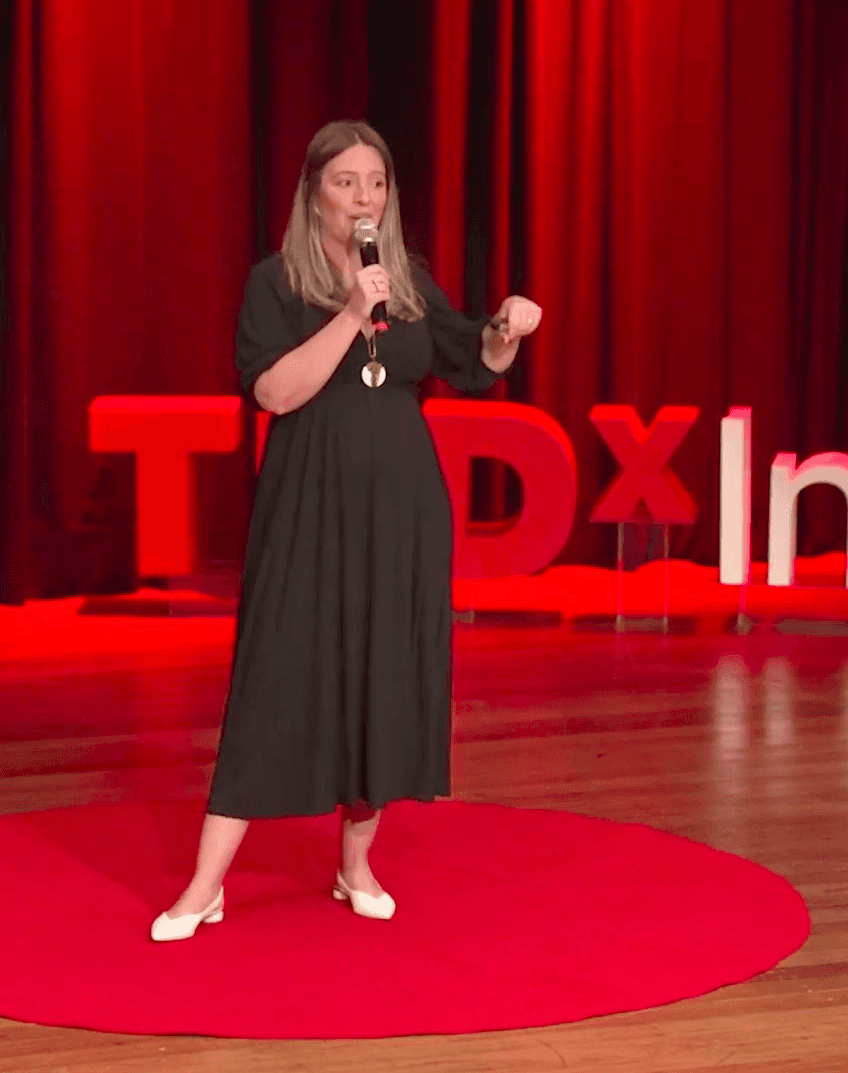
"After two decades in academic leadership, I believe in empowering people to transform their practices through systems of continuous improvement."

Prof. Msc. Juliana Mazzi
Founder of Future Education and Former Associate Dean

How many of your administrative processes are running on workarounds your institution never officially approved?
Fill out the form, and let’s talk about how we can support your institution with tailored learning solutions.
Start with one academy
By submitting this form you agree to our Privacy Policy. Optimum may contact you via email or phone for scheduling or marketing purposes.